The “Uzbekistan-2030” Strategy is the most important document in the country’s strategic planning and development framework. In essence, it constitutes a social contract proposed by the President to society and supported by the public — with more than 3,000 proposals received during its formation. The Presidential Decree of 16 February of this year, by which the Strategy was approved, sets out, among other things, the list of strategic planning documents to be developed in 2026. These include the task of preparing development strategies up to 2030 for all 14 administrative-territorial units of the country — the Republic of Karakalpakstan, the city of Tashkent and the regions.
From now on, regional development strategies will no longer be regarded as a scattered set of investment, construction and entrepreneurial initiatives. Rather, they are to be treated, first and foremost, as long-term core planning and operational documents that respond to the expectations of the population and rest on the socio-economic security of the regions, their geographical characteristics and the existing advantages of their human capital.
At a recent meeting of the Coordinating Council on Strategic Planning and Development under the President of the Republic of Uzbekistan, all organisational matters related to structuring the process of developing regional strategies were determined.
In particular, a working headquarters has been established at the Agency for Strategic Development and Reforms, comprising responsible officers from ministries and agencies, research institutions and regional information and analytical groups.
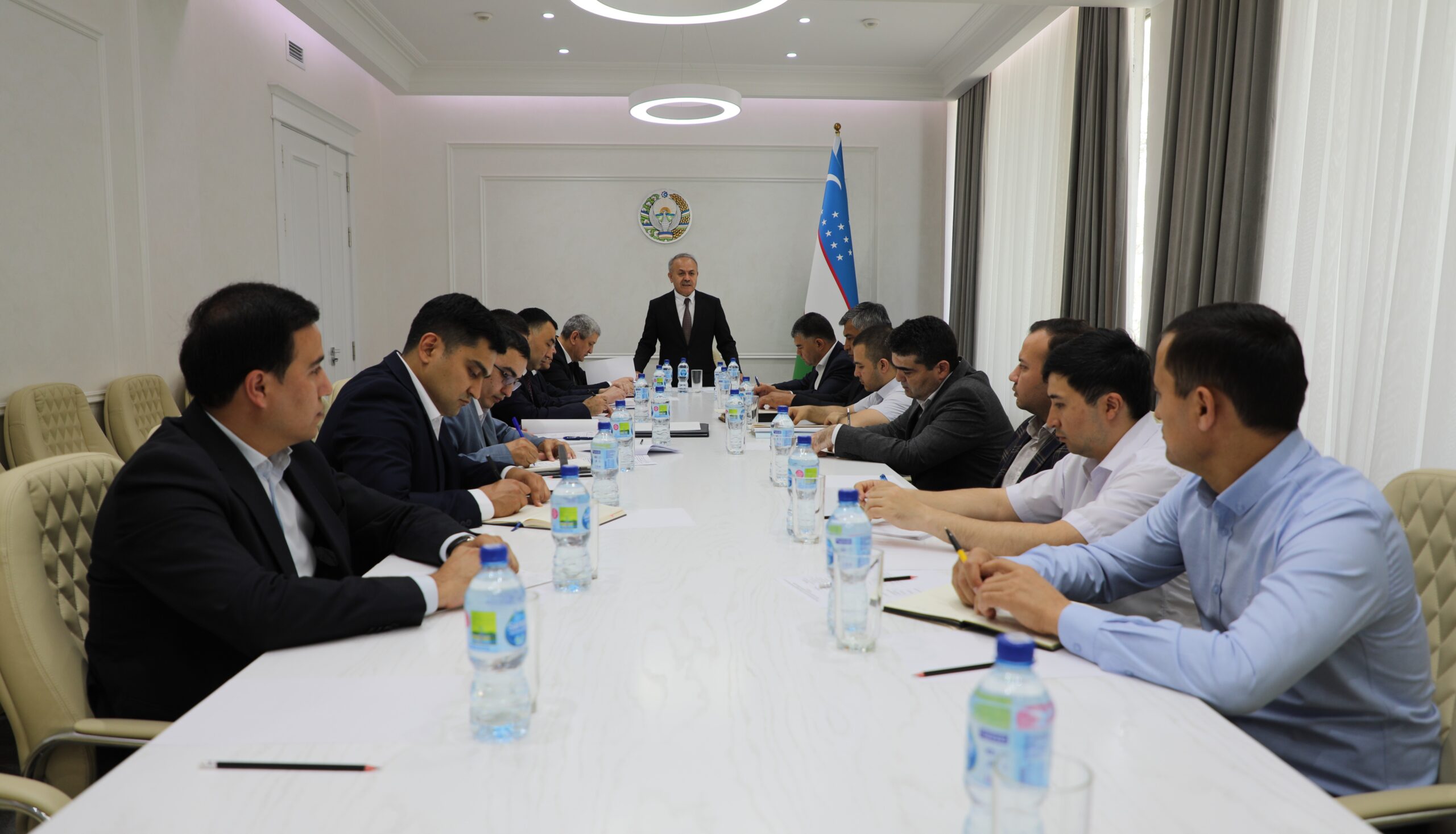
A meeting with these responsible officers was held at the Agency, at which the procedures and principles for preparing draft documents were defined. In particular:
- regional strategies are to be developed on the basis of genuine national values and public expectations;
- regional strategies are, as a general rule, to be formulated in line with the performance indicators set out in the “Uzbekistan-2030” Strategy;
- data, analytical materials and proposals held by ministries and agencies are to be obtained, and the practical cooperation of these bodies with regional information and analytical groups is to be ensured;
- the current situation, economic potential, systemic challenges and growth points are to be analysed at regional level, with specific proposals, prospective projects and practical measures formulated on the basis of the findings;
- a unified methodological approach is to be applied throughout the preparation of the strategies, with their content and quality coordinated accordingly.
At present, both analytical and practical work is underway. In parallel, specialists from the Agency are travelling on official visits to the regions to study local opportunities, forthcoming plans and the expectations of the population.
On the basis of all these analyses and discussions, comprehensive, precise and results-oriented regional strategies will be developed.