At the initiative of the President of the Republic of Uzbekistan, a transition to a new level of evaluating the effectiveness of public authorities has been established, with a central focus on the extent to which their day-to-day activities meet the real expectations of citizens. These expectations are reflected in the functions and mandates of each public institution and form the basis for the evaluation criteria. A key indicator is the ability of government bodies to maintain open dialogue with the population, take into account citizens’ everyday needs, and ensure the accessibility and quality of public services.
To this end, the state is introducing modern institutions and evaluation mechanisms aimed at objective verification of results, as well as enhancing transparency and accountability of public authorities. As previously reported, one such mechanism is the Uzbekistan Government Quality Award programme, implemented in cooperation with the United Arab Emirates since 2019.
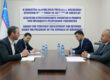
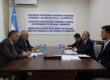
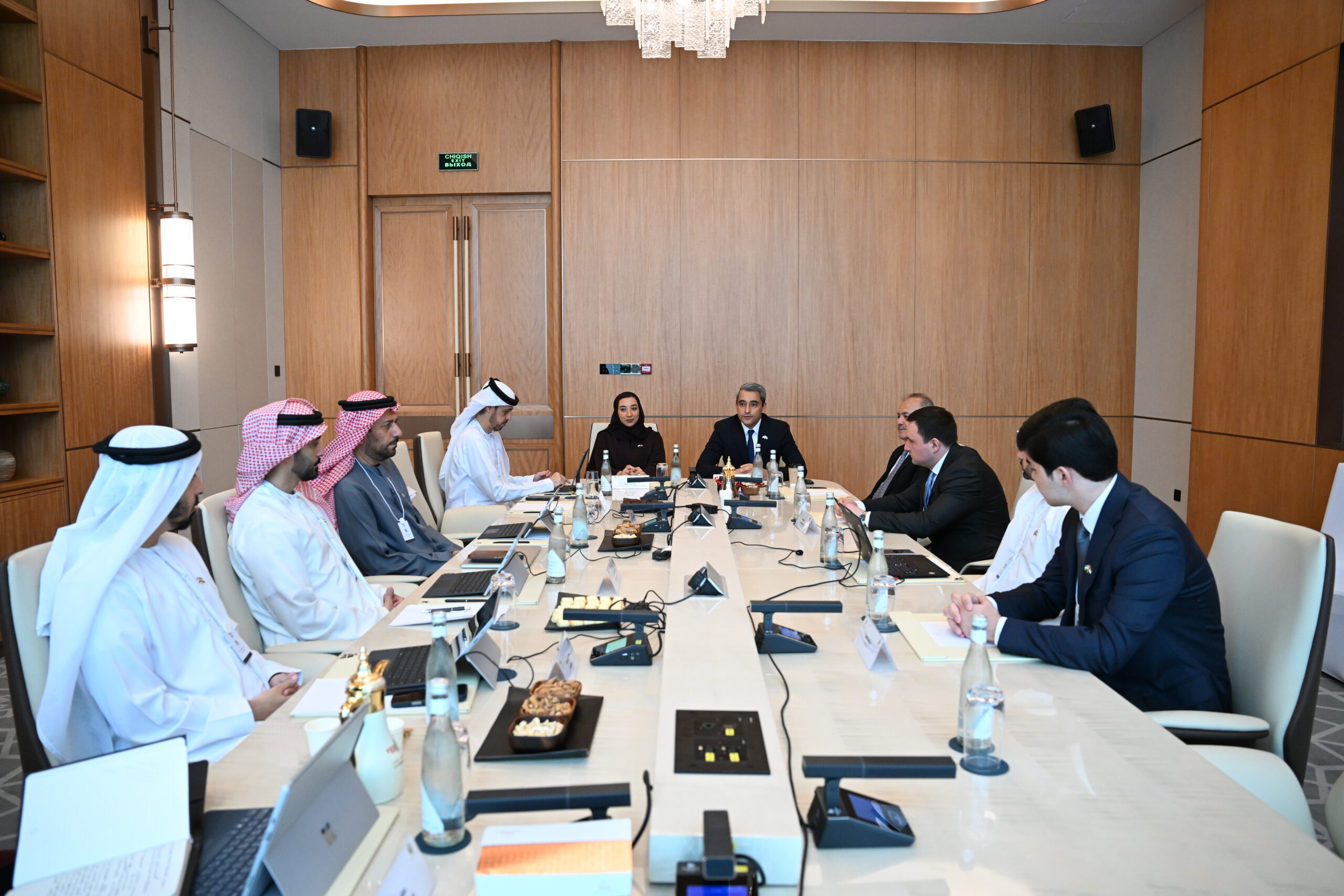
In February 2026, the third evaluation cycle of the programme was launched. During March–April 2026, the key phase of the assessment was carried out, including on-site visits to public administration bodies. Assessment teams visited 41 ministries, committees, and agencies, holding meetings with responsible staff and heads of structural divisions. During these visits, submitted data were verified, management and operational processes were analysed, and interviews with responsible personnel were conducted.


The assessment covered four key dimensions: institutional performance, quality of public services, level of management processes, and the degree of implementation of innovative solutions. Particular attention was paid to the practical implementation of modern management approaches and to verifying declared results through real changes in institutional performance, including service quality, openness, and engagement with citizens.
Importantly, the evaluation was conducted in line with international standards and focused on tangible outcomes for citizens. In previous cycles, the programme has already demonstrated its effectiveness: it has been fully digitalised, capacity-building seminars have been conducted within ministries, and the range of nominations has been expanded.
At the conclusion of the third cycle, winners were determined across three key categories. In the “Best Ministry” category, awards were presented in seven areas:
- for the best results in achieving strategic objectives
- for the introduction of innovations within core functions
- for the quality of public service delivery
- for effective resource management
- for human capital development and a number of other areas
In the “Leadership Award” category, the following were recognised:
- the best Deputy Minister
- the best Director-General
- the best Chairman of a Committee or Head of an Inspectorate
In the Individual category, awards were presented to:
- the best specialist in their respective field
- the best female employee
- the best human resources professional
- the best administrative and managerial employee
- the most talented young professional
The assessment procedures involved both national and international experts, thereby ensuring the independence and objectivity of the results.